Best Robot Vacuums Under $500 in 2027: Value Picks

Evan Brooks
Vacuum buying-guide editor at VacuumRanker • About the author
The best robot vacuum under $500 search gets confusing fast because every brand promises stronger suction, smarter mapping, and easier ownership. Instead, focus on fit: your floor types, cleaning habits, pet hair, home size, budget, and how much maintenance you will actually do.
This VacuumRanker guide is built for that. You’ll get clear product comparisons, practical fit checks, and plain-English buying advice before you spend money on a robot you may use for years.
If you are shopping for a robot vacuum under 500, prioritize navigation and dock convenience first, then worry about extra app features and marketing terms. In practice, a self-empty dock is the upgrade that makes a budget robot feel more “set-and-forget.”
Compare the first three reviewed products at a glance.
Disclosure: As an Amazon Associate, VacuumRanker may earn from qualifying purchases. We may also earn from other affiliate links. This does not change what we recommend or how we compare vacuums.
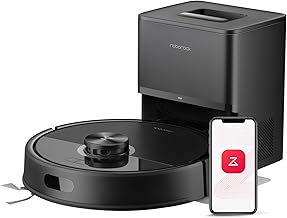
Most homes that want a self-emptying robot with strong all-around value
Self-empty dock convenience for lower day-to-day maintenance

Pet hair + daily debris with less frequent emptying
Self-empty base helps reduce bin-emptying chores in busy homes
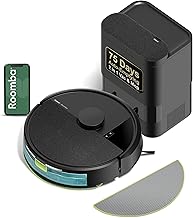
Homes that want vacuuming + light mopping with an AutoEmpty dock
Combo vacuum-mop format with mapping-focused navigation
This page compares 5 vacuum options for 2027, focused on real online-buying decisions:
If you want the full category overview first, start at Vacuum Cleaner Buying Guide. Next, browse Vacuum Cleaners, Robot Vacuums, and Budget Vacuums.
Jump to section
Toggle| Image | Vacuum | Best for | Key feature | View on Amazon |
|---|---|---|---|---|
| roborock Q7 M5+ Robot Vacuum and Mop, Up to 7-9 Weeks Self-Empty, 10000Paroborock Q7 M5+ Robot Vacuum and Mop, Up to 7-9 Weeks Self-Empty, 10000Pa | Most homes that want a self-emptying robot with strong all-around value | Self-empty dock convenience for lower day-to-day maintenance | View on Amazon |
| Shark AI Ultra Robot Vacuum, 60-Day Self-Emptying Base, Black, AV2511AEShark AI Ultra Robot Vacuum, 60-Day Self-Emptying Base, Black, AV2511AE | Pet hair + daily debris with less frequent emptying | Self-empty base helps reduce bin-emptying chores in busy homes | View on Amazon |
| iRobot Roomba 105 Combo Robot Vacuum & Mop with AutoEmpty Dock – Self-Empties for 75 Days, Intense Power-Lifting Suction, LiDAR Navigation, Multiple Cleaning Modes, Avoids Mopping CarpetiRobot Roomba 105 Combo Robot Vacuum & Mop with AutoEmpty Dock – Self-Empties for 75 Days, Intense Power-Lifting Suction, LiDAR Navigation, Multiple Cleaning Modes, Avoids Mopping Carpet | Homes that want vacuuming + light mopping with an AutoEmpty dock | Combo vacuum-mop format with mapping-focused navigation | View on Amazon |
 | eufy 11S MAX Robot Vacuum Cleaner, Super Thin, Quieteufy 11S MAX Robot Vacuum Cleaner, Super Thin, Quiet | Affordable robot vacuum shoppers who want simple, no-dock cleaning | Low-profile design for getting under furniture more easily | View on Amazon |
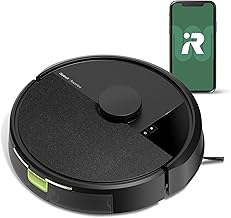 | iRobot Roomba 105 Vac Robot Vacuum – Easy to use, Intense Power-Lifting Suction, LiDAR Navigation, Multi-Surface Cleaning, Cleans in Neat Rows, Self-ChargingiRobot Roomba 105 Vac Robot Vacuum – Easy to use, Intense Power-Lifting Suction, LiDAR Navigation, Multi-Surface Cleaning, Cleans in Neat Rows, Self-Charging | Buyers prioritizing smart mapping and neat-row cleaning patterns | LiDAR mapping for more structured navigation in many layouts | View on Amazon |
Best Overall Under $500
roborock Q7 M5+ Robot Vacuum and Mop, Up to 7-9 Weeks Self-Empty, 10000Pa is worth comparing if you want a robot that matches a real cleaning routine, not just the biggest spec sheet.
Watch for: a self-empty dock cuts day-to-day chores, but you still need to plan for consumables, dock space, and routine brush/sensor cleaning.
Best for: Most homes that want a self-emptying robot vacuum under 500 with practical, everyday convenience.
What you’ll like: A self-emptying setup that makes routine cleaning feel more hands-off than a basic affordable robot vacuum.
🧐 Quick verdict: Best starting point if you want one vacuum that is easy to compare against the rest of the market.
| Pros ✅ | Cons ⚠️ |
|---|---|
| ✅ Self-emptying convenience helps reduce frequent bin-emptying | ⚠️ Dock bags/filters are ongoing consumables to plan for |
| ✅ Strong baseline pick for comparing mapping, maintenance, and value | ⚠️ Still needs careful matching to rugs, thresholds, and clutter levels |
| ✅ Good “one-and-done” shortlist starter for most mixed-floor homes | ⚠️ Expect routine brush/sensor cleanup like any robot vacuum |
Why it’s a top pick: It gives you a practical baseline for judging the rest of the list: navigation, pickup, floor compatibility, dock convenience, maintenance, and ownership cost.
Decision bullets
VacuumRanker tip: If you are unsure where to start, compare the top pick against your floor types first. Next, weigh pets, dock convenience, and how much hands-on maintenance you tolerate.
Best for Pet Hair Under $500
Shark AI Ultra Robot Vacuum, 60-Day Self-Emptying Base, Black, AV2511AE is worth comparing if pet hair is your daily problem and you want a robot you can run often.
Watch for: pet-hair results depend on brush design and how often you remove wrapped hair. Even strong robot vacs may need regular brush and wheel cleaning in high-shed homes.
Best for: Pet owners who want a self-emptying robot vacuum under 500 to keep fur and tracked-in debris under control between deeper cleans.
What you’ll like: A self-empty base that reduces how often you deal with the onboard bin—especially when pets fill it quickly.
🧐 Quick verdict: Best when pet hair cleanup and less frequent emptying are the main buying reasons.
| Pros ✅ | Cons ⚠️ |
|---|---|
| ✅ Strong fit for routine pet hair and everyday crumbs on mixed floors | ⚠️ Hair can still wrap and needs hands-on brush cleaning sometimes |
| ✅ Self-emptying helps reduce daily maintenance in high-shed homes | ⚠️ Dock consumables add ongoing cost versus non-dock robots |
| ✅ Helpful “maintenance cleaning” tool between manual deep cleans | ⚠️ Clutter, cords, and pet toys can still cause hang-ups |
Why it’s a top pick: In pet homes, the “best” robot is often the one you will actually run daily. Because a self-empty dock reduces chores, it can be easier to stick with the routine.
Decision bullets
VacuumRanker tip: If you are deciding whether a robot is enough for your pet situation, read Are Robot Vacuums Worth It? Practical Pros, Cons, and Buyer Checks.
Best Vacuum-Mop Combo Under $500
iRobot Roomba 105 Combo Robot Vacuum & Mop with AutoEmpty Dock – Self-Empties for 75 Days, Intense Power-Lifting Suction, LiDAR Navigation, Multiple Cleaning Modes, Avoids Mopping Carpet is worth comparing if you want one robot to handle routine vacuuming plus light mopping in the same schedule.
Watch for: combo robots work best for light, frequent mopping. Before you rely on it, plan for pad care, any water/tank steps (if applicable), and no-mop zones or carpet rules so you avoid damp passes where you don’t want them.
Best for: Mixed hard-floor homes that want an affordable robot vacuum + mop setup with an AutoEmpty dock for less frequent emptying.
What you’ll like: One device for routine vacuuming plus quick mopping passes, with dock support to reduce bin chores.
🧐 Quick verdict: Best if automated vacuuming plus light mopping are the main priorities.
| Pros ✅ | Cons ⚠️ |
|---|---|
| ✅ Better fit for routine “vac + light mop” maintenance than vacuum-only robots | ⚠️ Mopping adds extra upkeep (pads, tanks, rules, and scheduling) |
| ✅ AutoEmpty dock helps reduce how often you empty the robot | ⚠️ Not a replacement for occasional manual mopping on stuck-on messes |
| ✅ Useful for kitchens and entryways where fine debris + footprints build up | ⚠️ Carpet/rug management is important to avoid unwanted damp passes |
Why it’s a top pick: Judge a vacuum-mop combo on mapping rules, carpet handling, and upkeep as much as pickup. Ultimately, the best option is the one you can run often without creating extra hassle.
Decision bullets
VacuumRanker tip: For a deeper breakdown, compare Best Robot Vacuums 2027: Top Picks for Automated Floors and Robot Vacuum Buying Guide: What Actually Matters.
Best Value Pick
eufy 11S MAX Robot Vacuum Cleaner, Super Thin, Quiet is worth comparing if you want simple robot cleaning and you don’t need a dock to stay consistent.
Watch for: value robots can be a great fit for straightforward layouts, but you will usually do more hands-on emptying. Also expect occasional rescue missions if your home has cords, clutter, or tricky thresholds.
Best for: Buyers who want a budget robot vacuum for basic daily cleaning on hard floors and low-pile rugs without paying for a self-empty dock.
What you’ll like: Simple, affordable robot vacuum ownership with a low-profile body that can help reach under furniture.
🧐 Quick verdict: Best if your first concern is getting solid everyday cleaning without overspending.
| Pros ✅ | Cons ⚠️ |
|---|---|
| ✅ Lower-cost entry into robot cleaning for smaller homes and apartments | ⚠️ No self-empty dock means more frequent manual emptying |
| ✅ Low-profile design can help with under-furniture reach | ⚠️ Basic navigation can mean more missed spots in complex layouts |
| ✅ Good “first robot” option if expectations are realistic | ⚠️ Parts/filters availability should be checked before buying |
Why it’s a top pick: A value robot vacuum can be the smartest buy when your layout is simple and you are okay trading dock automation for a lower upfront cost.
Decision bullets
VacuumRanker tip: If you are comparing robot vacuum deals, read Cheap vs Expensive Vacuum: Where the Money Goes so you know which “cheap” tradeoffs are fine and which ones are deal-breakers.
Best for Smart Mapping
iRobot Roomba 105 Vac Robot Vacuum – Easy to use, Intense Power-Lifting Suction, LiDAR Navigation, Multi-Surface Cleaning, Cleans in Neat Rows, Self-Charging is worth comparing if you want more structured navigation and you plan to use mapping features day to day.
Watch for: mapping helps most when you use room schedules, keep-out zones, and targeted cleaning. However, if you only press “start,” a cheaper robot may feel similar in everyday use.
Best for: Buyers who want an affordable robot vacuum with LiDAR navigation for more structured, predictable cleaning routes.
What you’ll like: Smart mapping that can make it easier to run room-by-room schedules and keep-out zones in busy layouts.
🧐 Quick verdict: Best if navigation structure and mapping controls are the main reason you are upgrading.
| Pros ✅ | Cons ⚠️ |
|---|---|
| ✅ Better fit for buyers who want room schedules and tidy navigation patterns | ⚠️ Mapping does not remove the need to prep cords and clutter |
| ✅ Can be a nicer experience in larger or more complex floor plans | ⚠️ App features vary by household and may be overkill for simple needs |
| ✅ Good option when “getting lost” is a deal-breaker complaint | ⚠️ Still requires routine brush/filter maintenance like any robot |
Why it’s a top pick: For many buyers, “smart” matters most when it reduces missed areas and makes scheduling easier. Because mapping-focused robots support targeted cleans, they can fit multi-room routines better.
Decision bullets
VacuumRanker tip: If you want to understand which navigation claims matter, start with Robot Vacuum Buying Guide: What Actually Matters.
To recommend a vacuum that makes sense for online buyers, we focus on what changes the ownership experience over time:
Don’t buy this if…
Buy this if…
Your floor types usually matter more than the brand name. Plush carpet, low-pile rugs, and hard floors all reward different brush and navigation behavior. For mixed-floor homes, reliable transitions and fewer hang-ups matter even more.
With robots, the “best” choice is often the one you will actually run. That usually comes down to mapping quality, how often it gets stuck, and how manageable maintenance feels.
Robot suction marketing is inconsistent across brands, so don’t shop by one number alone. Real pickup depends on brush contact, debris path, edge cleaning, and how well the robot maintains performance as the bin fills and brushes get dirty.
Filtration matters most when you want better dust control during emptying and routine cleaning. Before you buy, check the filter type, how easy it is to access, and (for docks) whether you will be buying bags and how often.
A self-emptying base can turn a robot from “sometimes used” into “daily used.” However, the tradeoff is ongoing consumables and more floor space for the dock.
Before ordering, check replacement filters/brushes, dock bags (if applicable), service options, and what the warranty covers. For many budget robot vacuum buyers, long-term parts availability is the difference between a deal and a headache.
| Concern | Likely cause | What to check before buying |
|---|---|---|
| The robot misses rooms or wanders | Weaker navigation/mapping or a challenging layout | Look for mapping type, room selection, and repeated “lost” complaints in reviews |
| It gets stuck often | Cords, clutter, thresholds, fringe rugs, or low-clearance furniture | Check clearance, obstacle handling notes, and plan basic robot-proofing |
| It struggles on carpet | Brush design not ideal for carpet or poor traction | Compare carpet feedback for your pile height and rug types |
| It scatters debris on hard floors | Brush/airflow path not optimized for larger debris | Check hard-floor pickup feedback and edge-cleaning performance notes |
| Pet hair wraps around brushes | High-shed homes overwhelm brush design | Look for easy brush access and repeated pet-hair maintenance comments |
| Emptying feels messy | Bin design, filter design, or no dock | Consider a self-emptying base and check consumable costs |
| It is noisy at night | Higher power mode or dock emptying noise | Plan daytime schedules and check if “quiet” mode exists |
For a deeper mistake checklist, see Vacuum Mistakes to Avoid Before Buying.
If you are still unsure whether a robot is the right category for you, start with Are Robot Vacuums Worth It? Practical Pros, Cons, and Buyer Checks.
For most homes, the best robot vacuum under $500 is the one that matches your floors and reduces maintenance enough that you actually run it. For many buyers, that means prioritizing mapping reliability and, if budget allows, a self-empty dock.
It can be worth it if you want to run the robot frequently without emptying the onboard bin every time. However, the tradeoff is dock space plus ongoing consumables (like bags and filters), so compare total ownership cost.
Prioritize navigation (how often it gets stuck), maintenance (brush and filter access), and floor-type fit. Extra app features matter less if the robot cannot reliably finish a run in your layout.
Sometimes, but only if the model fits your floors and you have checked parts availability and warranty clarity. A “deal” is not a deal if you cannot find filters/brushes later or it gets stuck constantly in your home.
Usually not completely. A robot vacuum works best for routine maintenance cleaning, so many homes still keep a stick or upright for deep carpet cleaning, corners, stairs, and quick spot jobs.
Pet owners should focus on brush maintenance (how easily hair is removed), how well the robot handles rugs, and whether a self-empty dock reduces day-to-day chores. Also plan on more frequent filter and brush cleaning.
Check floor compatibility, mapping/navigation type, dock and consumables (if included), replacement parts (filters/brushes/bags), warranty clarity, and repeated review complaints about getting stuck or weak pickup on your floor types.
If you want the safest first choice, start with Pick #1 because it gives you a clean baseline for navigation, floor compatibility, maintenance, and ownership cost.
Next, choose Pick #2 if pet hair is the daily problem and you want a self-empty base to reduce chores.
Then, pick Pick #3 if you want vacuuming plus light mopping and an AutoEmpty dock in one setup.
Otherwise, go with Pick #4 if you want a simple, affordable robot vacuum and do not need a dock.
Finally, choose Pick #5 if smart mapping and structured navigation are your top priorities.
For the full category map, go back to Vacuum Cleaner Buying Guide.