Best Wet-Dry Vacuums 2027: Top Picks for Messy Jobs

Evan Brooks
Vacuum buying-guide editor at VacuumRanker • About the author
Searching for the best wet dry vacuum gets confusing fast because “wet-dry” can mean a true shop vac for spills, a vacuum-mop combo for hard floors, or a premium cordless that does a bit of both. Instead of guessing, match the machine to your mess types (wet pickup vs mopping), your floor types, and how much maintenance you’re willing to do.
This VacuumRanker money-page shortlist focuses on real buyer fit: a best shop vac style pick, a hard-floor wet dry vacuum for home use, a garage vacuum for workshop cleanup, a portable wet dry vacuum for cars/small messes, and a premium cordless alternative.
If you want the category map first, start at Vacuum Cleaner Buying Guide. Next, browse Vacuum Cleaners and Wet-Dry Vacuums to compare formats.
Compare the first three reviewed products at a glance.
Disclosure: As an Amazon Associate, VacuumRanker may earn from qualifying purchases. We may also earn from other affiliate links. This does not change what we recommend or how we compare vacuums.

Most buyers comparing the category
Balanced overall feature set
Value-focused buyers
Strong value for the intended use

Buyers who want stronger features
Higher-spec or more capable configuration
This page compares 5 vacuum options for 2027, focused on real online-buying decisions:
For a full category overview, start at Vacuum Cleaner Buying Guide. You can also compare cordless vacuums, robot vacuums, and vacuums for pet hair.
Jump to section
Toggle| Image | Vacuum | Best for | Key feature | View on Amazon |
|---|---|---|---|---|
| Stanley – SL18116P Wet/Dry Vacuum, 6 Gallon, 4 Horsepower BlackStanley – SL18116P Wet/Dry Vacuum, 6 Gallon, 4 Horsepower Black | Most buyers comparing the category | Balanced overall feature set | View on Amazon |
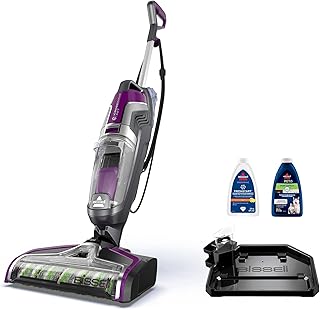
| Bissell CrossWave Pet Pro Wet Dry Vacuum Mop, Hard Floors, 2306ABissell CrossWave Pet Pro Wet Dry Vacuum Mop, Hard Floors, 2306A | Value-focused buyers | Strong value for the intended use | View on Amazon |
| DEWALT Shop Vacuum 6 Gal 4 HP Poly Wet/Dry Vacuum with Blower DXV06PDEWALT Shop Vacuum 6 Gal 4 HP Poly Wet/Dry Vacuum with Blower DXV06P | Buyers who want stronger features | Higher-spec or more capable configuration | View on Amazon |
 | Armor All® AA155 1.5-Gallon 2 Peak HP Portable Wet/Dry Vacuum, OrangeArmor All® AA155 1.5-Gallon 2 Peak HP Portable Wet/Dry Vacuum, Orange | A more specific use case | Useful fit for a narrower use case | View on Amazon |
 | Dyson V16 Piston Animal Submarine™ Cordless Wet and Dry VacuumDyson V16 Piston Animal Submarine™ Cordless Wet and Dry Vacuum | Buyers comparing another solid option | Alternative feature and price balance | View on Amazon |
Best Overall
Stanley – SL18116P Wet/Dry Vacuum, 6 Gallon, 4 Horsepower Black is a strong “best overall” style pick when you want a true wet dry vacuum for messy jobs and you prefer a simple setup. In practice, it’s one machine for everyday debris plus occasional wet pickup, without needing special pads or a floor-washing routine.
Watch for: Shop-vac style machines work great as a garage vacuum, but they are not the same thing as a vacuum-mop. Plan on filter care, hose/nozzle storage, and a bigger footprint than a household upright.
Best for: Most buyers comparing the category
What you’ll like: Balanced overall feature set
🧐 Quick verdict: Best overall wet-dry “shop vac” style choice for most buyers who want practical cleanup power for home, garage, and DIY messes.
| Pros ✅ | Cons ⚠️ |
|---|---|
| ✅ Good “baseline” wet/dry performance for common household and garage messes | ⚠️ Bulkier to store than a stick vacuum or vacuum-mop combo |
| ✅ Useful for wet pickup when spills happen (not just dust and crumbs) | ⚠️ Requires ongoing filter and hose/nozzle maintenance |
| ✅ Practical choice when you want one best shop vac style unit first | ⚠️ Not designed to wash floors like a dedicated vacuum mop |
Why it’s a top pick: It’s a clean starting point for most shoppers because it matches what many people mean by “wet dry vacuum.” You get dry pickup plus occasional liquid pickup, without relying on app features or specialty pads.
Decision bullets
VacuumRanker tip: If you’re unsure what “wet-dry” actually covers (and what it doesn’t), read Wet-Dry Vacuum Explained: What It Does and Who Needs One.
Best Value
Bissell CrossWave Pet Pro Wet Dry Vacuum Mop, Hard Floors, 2306A is the pick to compare if your “wet-dry” need is really a vacuum + mop in one pass for sealed hard floors. It’s built for routine kitchen, entryway, and living-area cleanup where crumbs and sticky spots show up together.
Watch for: Vacuum-mop combos need more frequent cleanup than a dry vacuum. If you don’t want to rinse parts, empty dirty tanks, and keep rollers from getting funky, you may prefer a standard wet dry vacuum or a separate mop.
Best for: Value-focused buyers
What you’ll like: Strong value for the intended use
🧐 Quick verdict: Best for hard floors when you want vacuuming and light wet cleaning in one routine, especially in pet homes and high-traffic areas.
| Pros ✅ | Cons ⚠️ |
|---|---|
| ✅ Strong fit for sealed hard floors where dry + wet messes happen together | ⚠️ Requires regular tank emptying and roller/brush cleaning |
| ✅ Helps reduce “vacuum first, then mop” friction for routine cleaning | ⚠️ Not the same as a high-suction best shop vac for heavy debris |
| ✅ Practical wet dry vacuum for home use when convenience is the goal | ⚠️ Floor-type limits matter (not ideal for thick carpet cleaning) |
Why it’s a top pick: For many buyers, the best “wet-dry” experience at home isn’t liquid pickup in a tank. Instead, it’s keeping hard floors looking clean without doing two separate chores, and this format is built around that workflow.
Decision bullets
VacuumRanker tip: If you’re shopping specifically for a vac + mop style machine, compare Best Vacuum Mop Combos 2027: Wet-Dry Picks Compared.
Best Upgrade
DEWALT Shop Vacuum 6 Gal 4 HP Poly Wet/Dry Vacuum with Blower DXV06P is the pick to prioritize when your “wet-dry” needs lean heavily toward garage and workshop cleanup. Think sawdust, drywall dust, leaves, and the kind of debris that quickly overwhelms a household vacuum.
Watch for: Garage vacuum use is hard on filters and hoses. Before you buy, check how easy it is to swap/clean filters, how the attachments store, and whether the blower function is something you’ll actually use.
Best for: Buyers who want stronger features
What you’ll like: Higher-spec or more capable configuration
🧐 Quick verdict: Best for garage/workshop cleanup when you want a tougher shop-vac style build and practical features for messy projects.
| Pros ✅ | Cons ⚠️ |
|---|---|
| ✅ Strong match for garages, workshops, basements, and renovation cleanup | ⚠️ Not designed as a gentle everyday vacuum for living spaces |
| ✅ Better fit for heavier debris than most wet-dry “home floor” machines | ⚠️ Filter care matters more when you’re sucking up fine dust |
| ✅ Useful when you want a best shop vac alternative to compare against the top pick | ⚠️ Storage footprint and noise can be higher than household vacuums |
Why it’s a top pick: The right wet dry vacuum for a garage is about usability under rough conditions. You want it to handle bigger debris, deal with fine dust without constant clogging, and include tools that make sense for corners and concrete floors.
Decision bullets
VacuumRanker tip: If you’re trying to decide between a shop-vac build and a home-floor wet/dry combo, start with Wet-Dry Vacuum Explained: What It Does and Who Needs One.
Best for Specific Needs
Armor All® AA155 1.5-Gallon 2 Peak HP Portable Wet/Dry Vacuum, Orange is the compact pick when you want a portable wet dry vacuum for quick jobs. It’s a strong fit for car interiors, small spills, tight corners, and grab-and-go messes where a full-size shop vac feels like overkill.
Watch for: Compact units trade capacity and reach for convenience. To avoid frustration, make sure the hose and attachments fit your use (car seats, crevices, floor mats) and that emptying is easy enough to do often.
Best for: A more specific use case
What you’ll like: Useful fit for a narrower use case
🧐 Quick verdict: Best compact option for cars and small messes when portability matters more than tank size.
| Pros ✅ | Cons ⚠️ |
|---|---|
| ✅ Easy to carry and store for car cleaning and quick spot jobs | ⚠️ Smaller capacity means more frequent emptying |
| ✅ Good “second vacuum” to keep in a garage, trunk, or utility closet | ⚠️ Not ideal for whole-home cleaning or big wet pickups |
| ✅ Practical portable wet dry vacuum choice for tight spaces | ⚠️ Attachment set and hose reach matter a lot—check before buying |
Why it’s a top pick: A compact wet/dry is often the vacuum you actually use because it’s close by and easy to carry. For cars, entryways, and small spills, that convenience can matter more than tank size.
Decision bullets
VacuumRanker tip: If you want a quick “what it can/can’t do” breakdown before buying any wet-dry format, use Wet-Dry Vacuum Explained: What It Does and Who Needs One.
Alternative Pick
Dyson V16 Piston Animal Submarine™ Cordless Wet and Dry Vacuum is the premium alternative pick for buyers who want a cordless wet/dry approach and are willing to pay more for convenience, design, and a modern day-to-day cleaning experience.
Watch for: Premium cordless models still require maintenance (heads, filters, wet components) and have runtime limits. Before committing, confirm replacement parts and consumables are easy to get.
Best for: Buyers comparing another solid option
What you’ll like: Alternative feature and price balance
🧐 Quick verdict: Best premium cordless alternative if you want a higher-end wet/dry setup and you’ll actually use the convenience often enough to justify the cost.
| Pros ✅ | Cons ⚠️ |
|---|---|
| ✅ Cordless convenience for routine cleaning without dragging a cord or canister | ⚠️ Premium price means you should be sure the format fits your floors |
| ✅ Strong fit for buyers who want a modern, “grab-and-go” cleaning system | ⚠️ Runtime limits and battery aging are real long-term considerations |
| ✅ Good alternative to shop-vac style units for everyday home cleaning | ⚠️ Wet components still need cleaning/drying to avoid odors and buildup |
Why it’s a top pick: If you want a wet-dry capable cordless that feels like a daily driver for a wet dry vacuum for home use (not a garage tool), this is the style to compare. For most buyers, the main draw is convenience and fast touch-ups.
Decision bullets
VacuumRanker tip: If you’re deciding between “vacuum + mop combo” vs “cordless wet/dry,” compare your options in Best Vacuum Mop Combos 2027: Wet-Dry Picks Compared.
To recommend a vacuum that makes sense for online buyers, we focus on what changes day-to-day ownership:
Don’t buy this if…
Buy this if…
Wet dry vacuum can mean two different things:
If you want a quick clarity check, see Wet-Dry Vacuum Explained: What It Does and Who Needs One.
Your floor types usually matter more than the brand name. For example, thick carpet needs different brush-roll and suction behavior than hardwood, and mixed-floor homes benefit from easy transitions. If you have stairs, weight and attachments matter even more.
A wet dry vacuum for home use is often about convenience and routine cleanup, but a garage vacuum is about tougher debris, bigger messes, and durability. Because the formats differ, buying the wrong style is the fastest way to feel disappointed.
Suction numbers help, but they do not tell the whole story. Airflow, hose diameter, floorhead design, seals, and how the vacuum manages debris all affect real cleaning performance, especially with heavier garage debris or wet pickup.
If you are stuck between types, compare Corded vs Cordless Vacuum: Which One Should You Choose? and Stick Vacuum vs Upright Vacuum: Which Fits Your Cleaning Style?.
Filtration matters when you want the vacuum to contain fine dust instead of blowing it back into the room. Before ordering, check filter type, sealing claims (if any), cleaning instructions, and replacement-filter cost, especially if you’ll vacuum fine workshop dust.
Wet-dry ownership is maintenance-heavy by nature. To avoid surprises, check filter access, tank emptying, brush/roller cleaning (for vacuum-mops), replacement parts, service options, and what the warranty actually covers.
Use Vacuum Maintenance Checklist: Keep Suction Strong Longer to sanity-check the upkeep you’re signing up for.
| Concern | Likely cause | What to check before buying |
|---|---|---|
| The vacuum doesn’t feel like a “wet-dry” at home | You bought a shop-vac style unit but expected floor washing | Confirm whether you need wet pickup (tank) or vacuum-mop cleaning (roller/pads) |
| It struggles with garage debris | Household-focused floorhead and smaller debris path | Check hose diameter, attachments, and whether it’s meant for workshop cleanup |
| Hard floors look streaky after “wet cleaning” | Dirty roller/pad, wrong solution, or not enough rinsing/maintenance | Check cleaning process, tank design, and how often parts must be cleaned |
| Dust escapes during cleaning | Weak filtration or poor sealing | Check filter type, sealing claims, and repeated complaints about dust blowback |
| It’s annoying to use | Too bulky, short reach, awkward storage, or heavy when full | Compare weight, handle design, hose length, attachment storage, and tank emptying |
| Smells develop over time | Wet components not cleaned/dried after use | Check whether wet parts are easy to remove, rinse, and dry between sessions |
| The feature list feels confusing | “Wet-dry” is used for different product categories | Match the product type to your use case: shop vac vs vacuum-mop combo vs premium cordless |
For a deeper mistake checklist, see Vacuum Mistakes to Avoid Before Buying.
If you want a focused performance explanation, start with Vacuum Suction Power Explained: Air Watts, Pa, and Real Cleaning.
For most buyers, the best vacuum is the one that matches floor types, cleaning habits, pet-hair needs, home size, and maintenance tolerance. To avoid buyer’s remorse, don’t choose only by discount, suction number, or brand name.
Cordless vacuums are usually easier to grab, carry, and use for quick cleaning, so they fit busy routines. Corded vacuums offer unlimited runtime and can make sense for longer sessions. The better choice depends on home size, floor type, storage, weight, and how you clean.
Pet owners should look closely at brush-roll design, anti-tangle features, filtration, upholstery tools, and performance on the floor types where fur collects most. If you also have accidents or muddy paws, consider whether you need wet pickup or a vacuum-mop format.
There is no single suction number that guarantees better cleaning. Airflow, floorhead design, brush-roll contact, seals, and how the machine handles debris can matter as much as the headline Air Watts or Pa figure.
They can be worth it if automated maintenance cleaning saves you time, but navigation, obstacle avoidance, dock features, and floor layout matter. Most homes still benefit from deeper manual cleaning for edges, stairs, and spot messes.
Buying online can make sense if specifications, replacement parts, return terms, warranty, and customer support are clear. Before purchasing, verify those details and scan for repeated complaints that match your use case.
Focus first on floor-type fit, pickup performance, brush-roll design, filtration, weight, cord or battery setup, attachments, maintenance, replacement parts, and warranty. After that, treat extras as a bonus.
First, confirm whether you need shop-vac wet pickup or vacuum-mop floor washing. Next, check floor compatibility, capacity, filtration, attachments, weight/handling, replacement parts, warranty coverage, and repeated review complaints.
If you want the safest first choice, start with Pick #1 because it’s the most straightforward wet dry vacuum baseline for wet pickup, dry debris, and general ownership fit.
Choose Pick #2 if you want a wet dry vacuum for home hard floors that combines vacuuming and mopping.
Choose Pick #3 if you need a tougher garage vacuum for workshop and project cleanup.
Choose Pick #4 if you want a portable wet dry vacuum for cars and small messes.
Choose Pick #5 if you want a premium cordless wet/dry alternative and you’ll use the convenience often.
Finally, for the full category map, go back to Vacuum Cleaner Buying Guide.